
Back pain is something many people deal with, especially if you sit long hours or work out regularly. But not all back pain is the same. Two common conditions people confuse are sciatica and lower back pain. They may feel similar at first, but they are actually different problems and knowing the difference helps you choose the right treatment.
What Is Lower Back Pain?
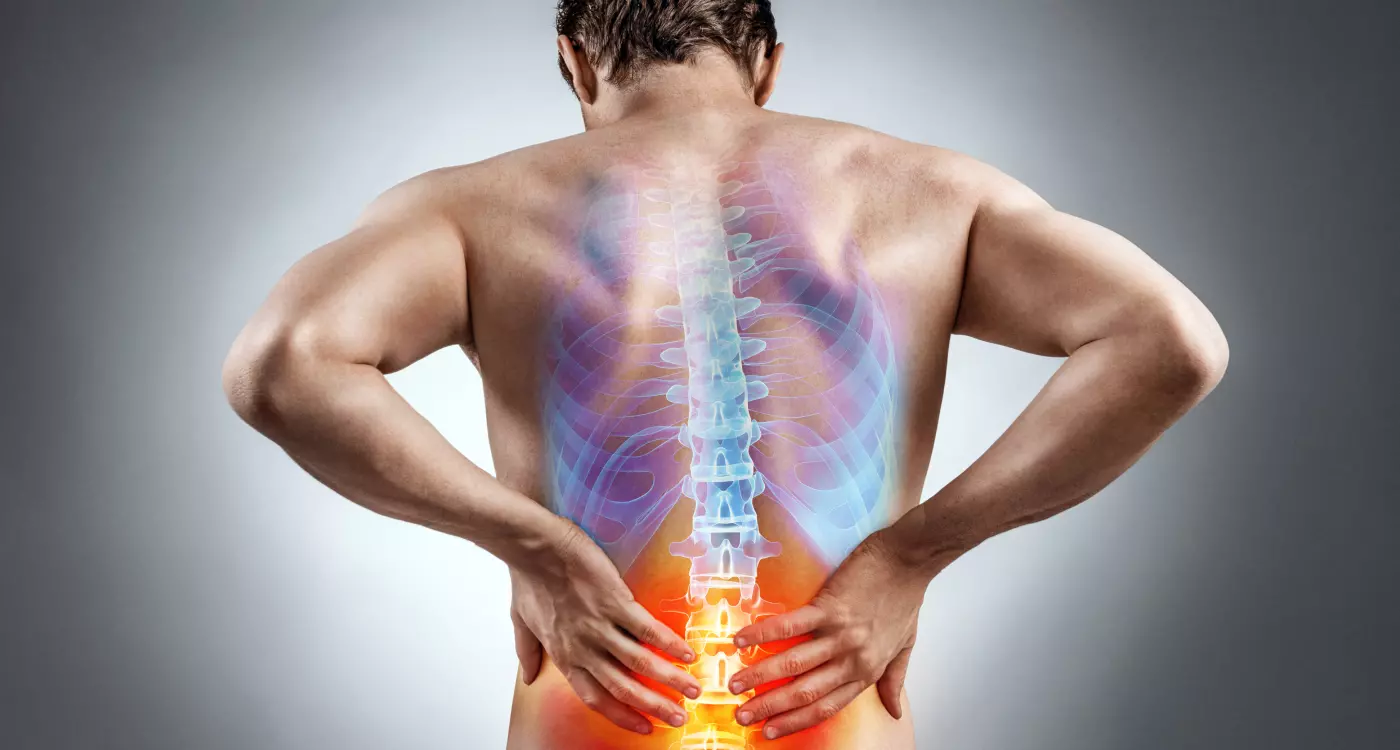
Lower back pain is a general term. It means pain in the lower part of your back, usually around the spine and muscles. It stays mostly in the lower back area and may feel tight or stiff. Sometimes it gets worse when you move, bend, or stand for a long time. It can happen because of:
- Poor posture
- Muscle strain from lifting heavy weights
- Sitting too long
- Sudden movements or overtraining
What Is Sciatica?
Sciatica is more specific. It happens when the sciatic nerve (the longest nerve in your body) gets irritated or compressed. This nerve runs from your lower back down to your legs.
Sciatica pain usually starts in the lower back but travels down one leg. It can feel sharp, burning, or like an electric shock. Some people also feel numbness or tingling in the leg or foot.
Common causes:
- Herniated disc
- Pressure on the nerve
- Spine-related issues

Key Differences Between Sciatica and Lower Back Pain
1. Location of pain
- Lower back pain: stays in the lower back
- Sciatica: starts in the back and goes down the leg
2. Type of pain
- Lower back pain: dull, constant ache
- Sciatica: sharp, shooting, or burning pain
3. Nerve symptoms
- Lower back pain: usually no numbness
- Sciatica: tingling, numbness, or weakness in the leg
4. Movement impact
- Lower back pain: worse with movement or strain
- Sciatica: worse when sitting or with certain positions
When Should You See a Specialist?
You should not ignore your pain if:
- It lasts more than a few days
- The pain is getting worse
- You feel numbness or weakness in your leg
- It affects your daily movement
Early treatment helps prevent long-term problems and speeds up recovery.
Final Thoughts
Both sciatica and lower back pain are common, especially with today’s lifestyle and gym routines. The good news is that both can be treated effectively if you understand your symptoms early and take the right steps. Listen to your body. If something feels wrong, don’t push through the pain get the right care and recover properly.
Sciatica vs Back Pain FAQs ❓
Can sciatica cause lower back pain on both sides?
Sciatica typically affects one side of the body. It is less common on both sides. If you feel pain on both sides, it may be another type of back problem, and it’s better to get it checked.
Difference between sciatica and muscle pain
Sciatica is nerve pain. It feels sharp, burning, or like an electric shock and often travels down the leg.
Muscle pain is usually a dull ache or tightness and stays in one area, like the lower back. It does not usually cause tingling or numbness.
Sciatica lower back pain exercises
Simple exercises can help reduce pain and improve movement. For lower back pain, gentle stretches like knee-to-chest, pelvic tilts, and light core exercises are useful.
For sciatica, focus on nerve-relief stretches such as the seated piriformis stretch or lying hamstring stretch. Move slowly and avoid anything that increases pain.
Is sciatica treatment painful?
Chiropractic treatment is generally gentle and non-invasive. Most patients experience relief during or shortly after sessions.
Does sciatica cause lower back pain?
Yes, sciatica usually starts in the lower back. The pain begins there and then travels down the leg because the sciatic nerve is affected.
Can you have arthritis and sciatica at the same time?
Yes, you can have both arthritis and sciatica at the same time. In fact, arthritis in the spine can sometimes cause sciatica by putting pressure on the sciatic nerve. This may lead to a combination of symptoms, such as lower back stiffness along with sharp pain that travels down the leg.