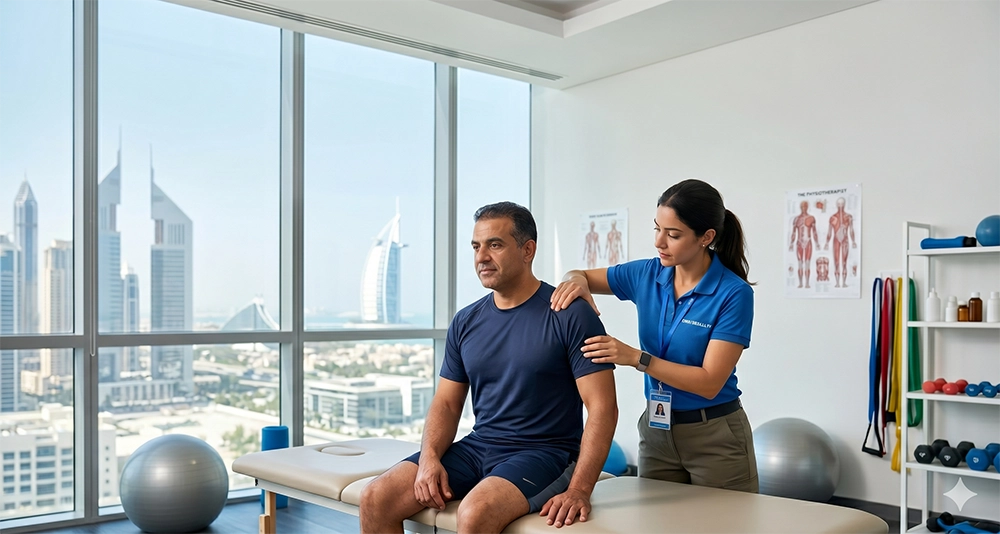

Dubai’s fitness culture is booming from high-end gyms to outdoor training spaces. But with increased activity comes a higher risk of injuries. Whether you’re lifting heavy, doing HIIT, or pushing through a new workout plan, understanding common gym injuries and how to treat them is essential for staying consistent and pain-free.
How to Know If a Gym Injury Is Serious
Not every injury requires medical attention, but watch for these warning signs:
- Severe or worsening pain
- Inability to move the joint or bear weight
- Visible deformity
- Swelling that doesn’t improve after 48 hours
- Numbness or tingling
If you experience any of these, it’s important to consult a specialist immediately.
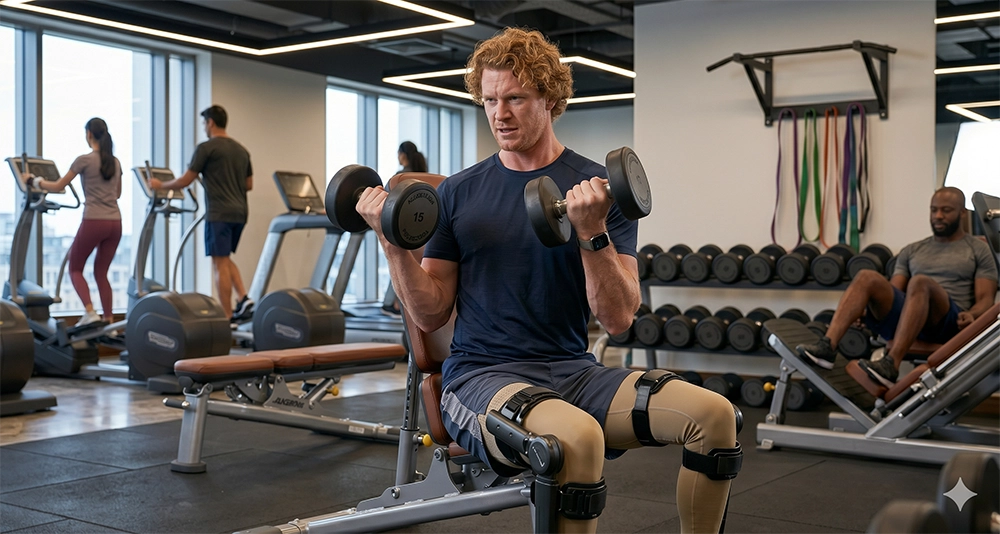
The Most Common Gym Injuries
1. Muscle Strains
Muscle strains are one of the most frequent gym injuries, often caused by overstretching or lifting weights that are too heavy. They commonly affect the lower back, shoulders, and hamstrings.
Symptoms:
- Sudden pain during exercise
- Muscle weakness
- Swelling or stiffness
2. Ligament Sprains
Sprains occur when ligaments are stretched or torn, especially in the ankles, knees, or wrists. These often happen due to poor form or sudden twisting movements.
Symptoms:
- Swelling and bruising
- Limited mobility
- Pain around joints
3. Lower Back Injuries
Improper lifting techniques are the main cause of lower back pain in the gym.
Symptoms:
- Persistent aching
- Sharp pain when bending
- Reduced flexibility
Preventing Gym Injuries
Prevention is always better than cure:
- Warm up properly before workouts
- Use correct form and technique
- Avoid overtraining
- Stay hydrated
- Work with a trainer if you’re unsure
Final Thoughts
Gym injuries can disrupt your fitness journey, but with the right approach to comprehensive sports injury recovery, you can return stronger and safer. The key is early treatment, proper guidance, and listening to your body.
If you’re experiencing discomfort, don’t ignore it professional sports injury treatment in Dubai can make all the difference in your recovery time and long-term performance.